Selecting the correct dental lab burs is critical for achieving precision, efficiency, and longevity in prosthodontic restorations. Whether you’re fabricating crowns, bridges, or custom dental appliances, the right bur ensures smooth workflows and high-quality outcomes. This guide simplifies the decision-making process, focusing on material compatibility, bur design, and practical applications.
1. Understand Your Material
Dental burs are designed for specific materials, and using the wrong type can damage workpieces or compromise restorations. Below is a breakdown of common materials and their ideal burs:
Prosthetic material and burs types table:
| Material | Recommended Burs | Key Applications |
|---|---|---|
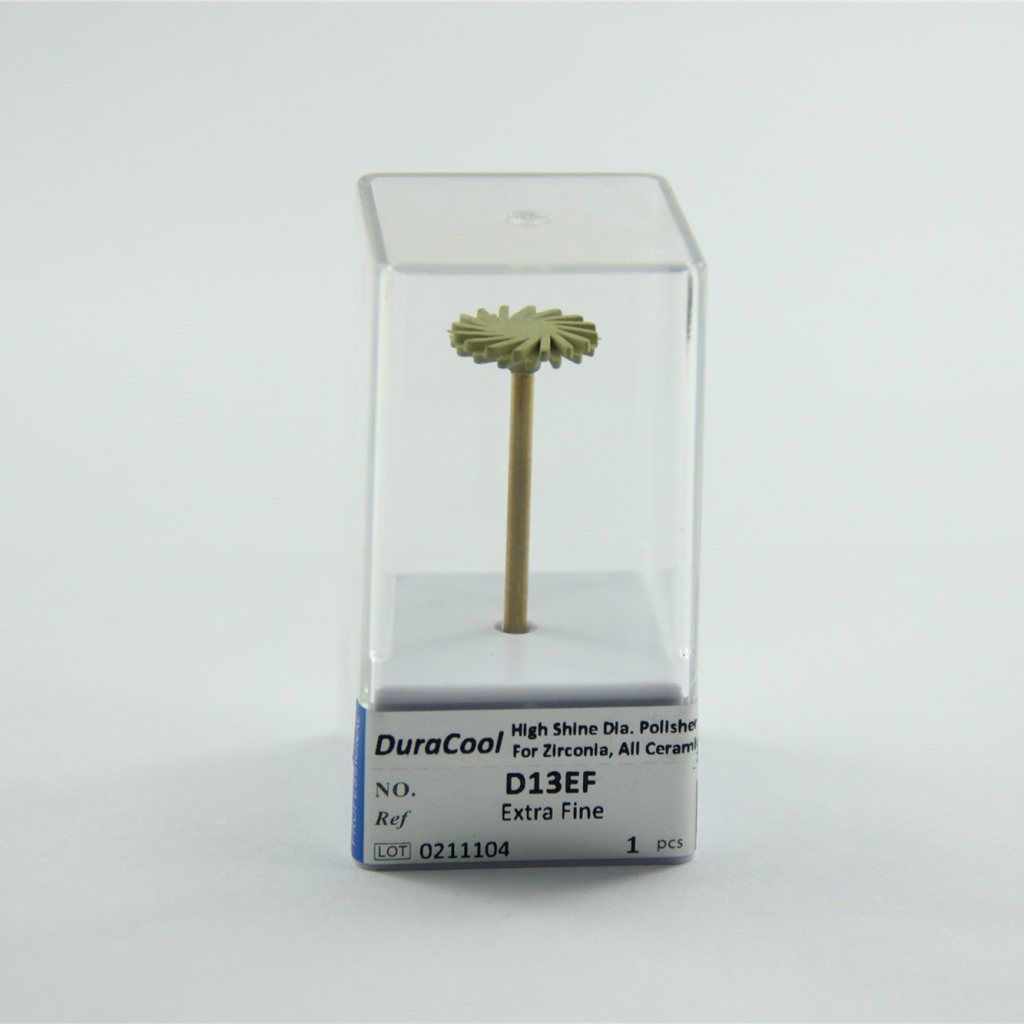
| Zirconia | Silicon rubber diamond burs | Cutting, contouring, and polishing zirconia frameworks for crowns and bridges. |
| Lithium Disilicate | Silicon rubber diamond burs | Refining edges and achieving smooth surfaces for glass-ceramic restorations. |
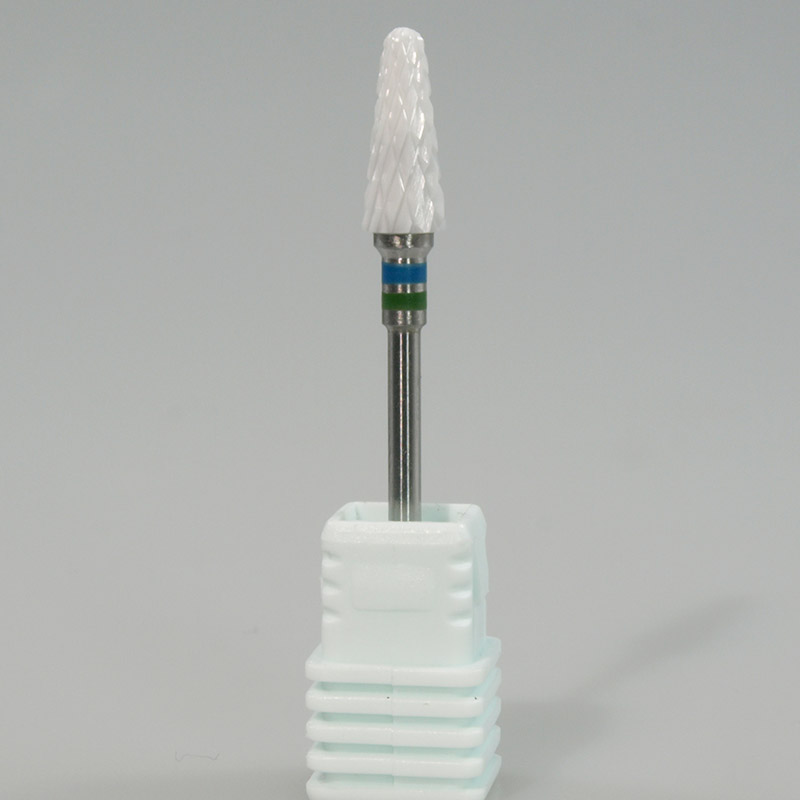
| Acrylic Dentures | Zirconia ceramic HP burs | Trimming and finishing acrylic bases with minimal heat generation. |
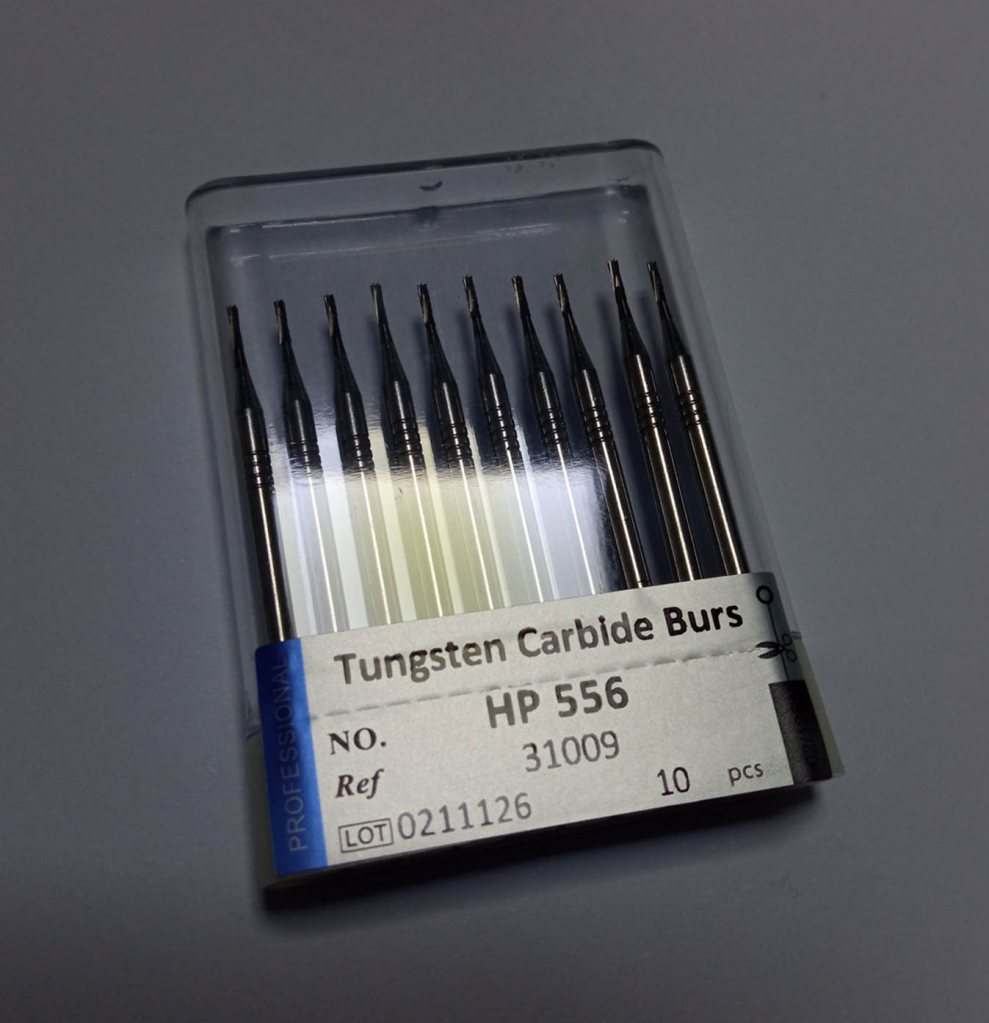
| Metal Alloys | Tungsten carbide burs | Grinding and adjusting metal copings or PFM (porcelain-fused-to-metal) structures. |
| Porcelain | Diamond-coated burs | Shaping and polishing porcelain surfaces without chipping. |
Why it matters:
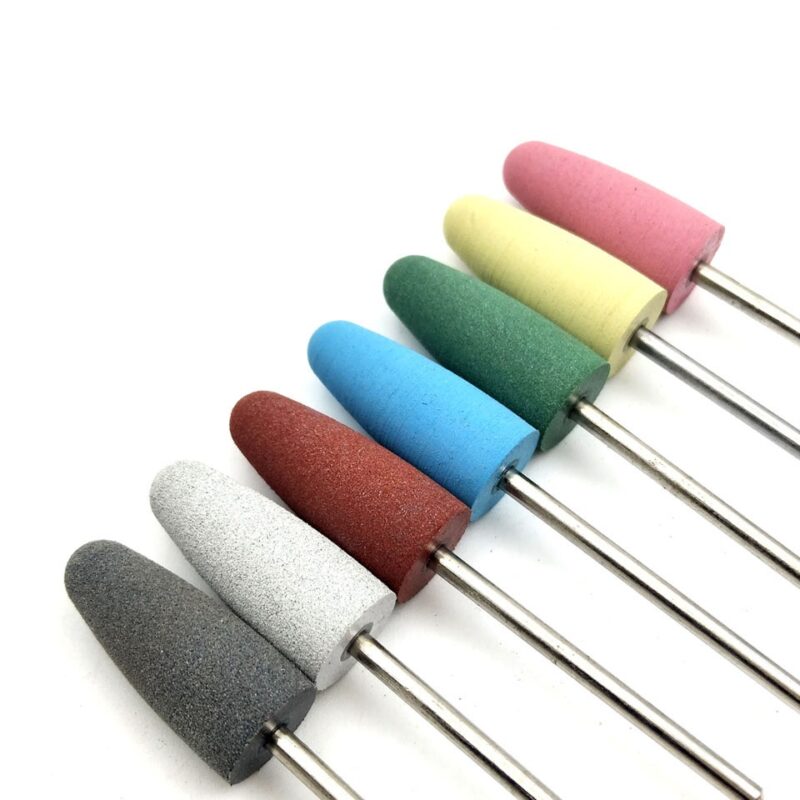
- Zirconia ceramic HP burs (made of ceramic mixed with zirconia) excel in acrylic trimming due to their heat resistance and durability.
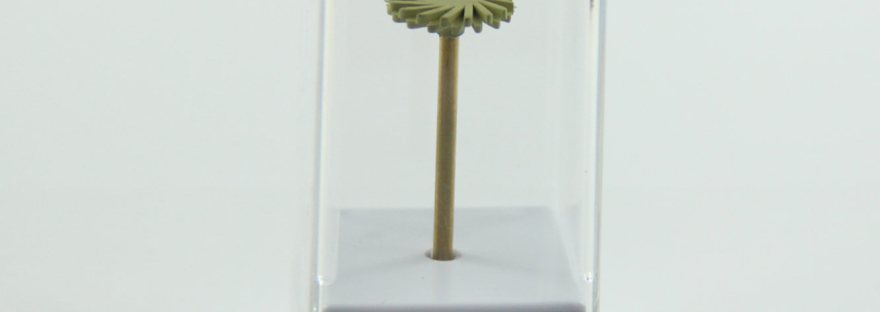
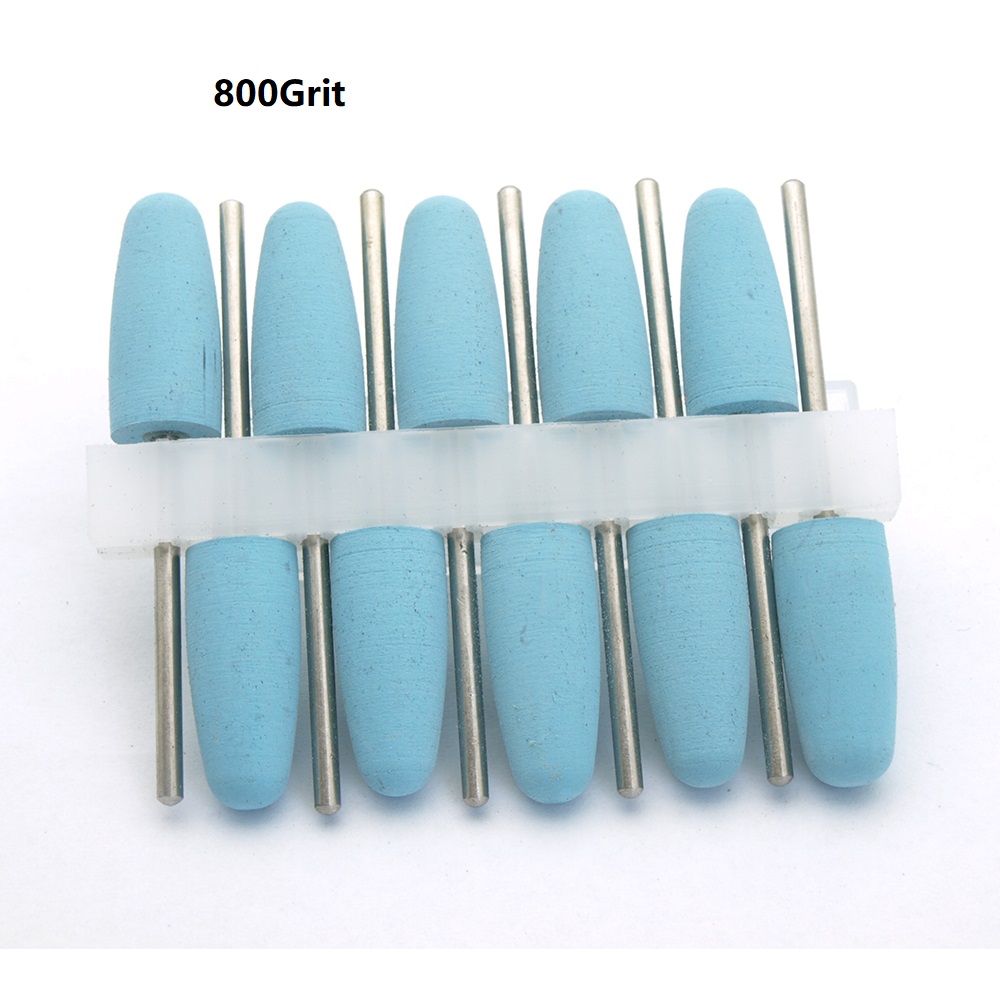
- Silicon rubber diamond burs are ideal for zirconia and lithium disilicate workpieces, offering controlled material removal and a polished finish.
2. Match Bur Characteristics to Tasks
Burs vary in grit, shape, and coating. Here’s how to align these features with your workflow:
A. Grit Size
- Coarse grit (100–150 μm): Rapid material removal for bulk reduction (e.g., adjusting zirconia crowns).
- Medium grit (40–75 μm): Smoothing surfaces post-coarse grinding.
- Fine grit (15–30 μm): Final polishing for aesthetics and occlusion.
B. Shape and Design
- Round or cylindrical burs: Ideal for cavity preparation or removing bulk material.
- Flame-shaped burs: Perfect for contouring crown margins.
- Needle burs: Detail work on small areas, like adjusting bridge connectors.
C. Coating Material
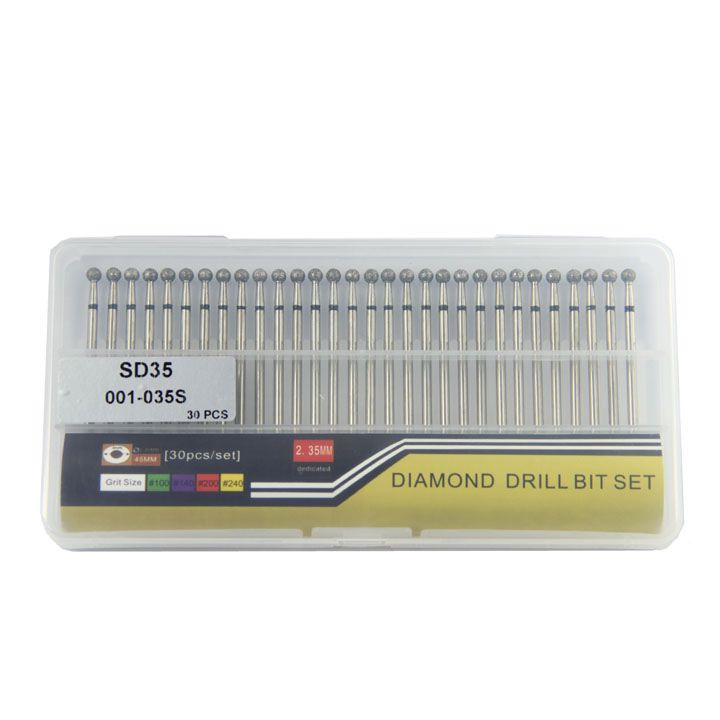
- Diamond-coated: Best for hard materials (zirconia, lithium disilicate).
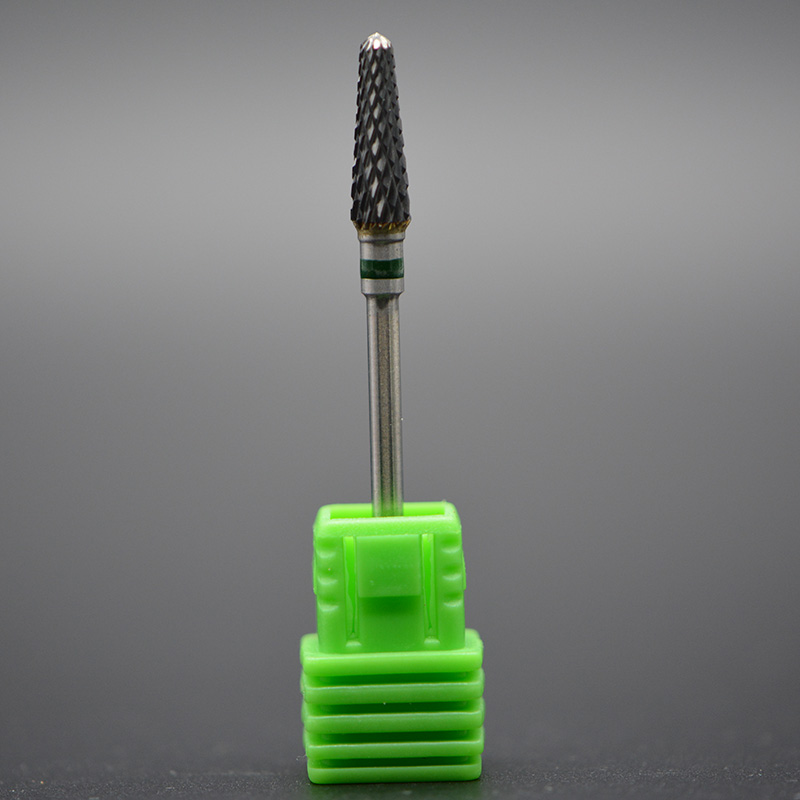
- Tungsten carbide: Efficient for metals and acrylics.
3. Prioritize Bur Longevity and Safety
Heat generation and bur wear can affect outcomes. Follow these tips:
- Cooling: Use water spray or air cooling for zirconia and lithium disilicate to prevent microcracks.
- Speed: Adjust RPM based on material hardness (e.g., lower speeds for acrylics to avoid melting).
- Maintenance: Clean burs after each use and replace them when edges dull.
4. Specialized Applications
A. Customization in Prosthodontics
For bespoke restorations like hybrid dentures or implant-supported bridges, combine burs for versatility:
- Use zirconia ceramic HP burs for precise acrylic adjustments.
- Pair silicon rubber diamond burs with zirconia frameworks to achieve seamless margins.
B. Crown and Bridge Fabrication
- Zirconia crowns: Start with coarse diamond burs, then refine with medium/fine grits.
- PFM restorations: Use carbide burs for metal substructures and diamond burs for porcelain layering.
5. Quick Reference Table: Bur Selection Checklist
Bur Selection Checklist for Dental Lab Technicians
| Factor | Questions to Ask |
|---|---|
| Material Type | Is the workpiece zirconia, acrylic, metal, or ceramic? |
| Task Stage | Am I rough-cutting, finishing, or polishing? |
| Bur Shape | Does the design match the area I’m working on (e.g., margins, occlusal surfaces)? |
| Cooling Needs | Will I need water spray to prevent overheating? |
Final Tips for Success
- Test burs on scrap material to gauge performance.
- Invest in quality: Cheap burs wear faster and risk damaging expensive workpieces.
- Stay updated: New bur designs (e.g., multi-layer diamond coatings) improve efficiency.
*Looking for dental lab burs tailored for prosthodontics, fabrication, and restorations? Dental Laboratorio offers a curated selection for zirconia, lithium disilicate, acrylics, and more—ensuring your lab achieves precision with every customization.*
By aligning bur choice with material properties and clinical goals, dental technicians can elevate the quality of crowns, bridges, and prosthetics while optimizing workflow efficiency. Remember: the right tool doesn’t just save time—it ensures patient satisfaction.

 smartcare