When it comes to fabricating porcelain-fused-to-metal (PFM) prosthetics in a dental lab, selecting the appropriate casting equipment is crucial for achieving high – quality results. Here, we’ll explore the different types of casting machines available to help you make an informed purchase decision.
Centrifugal Casting Machines
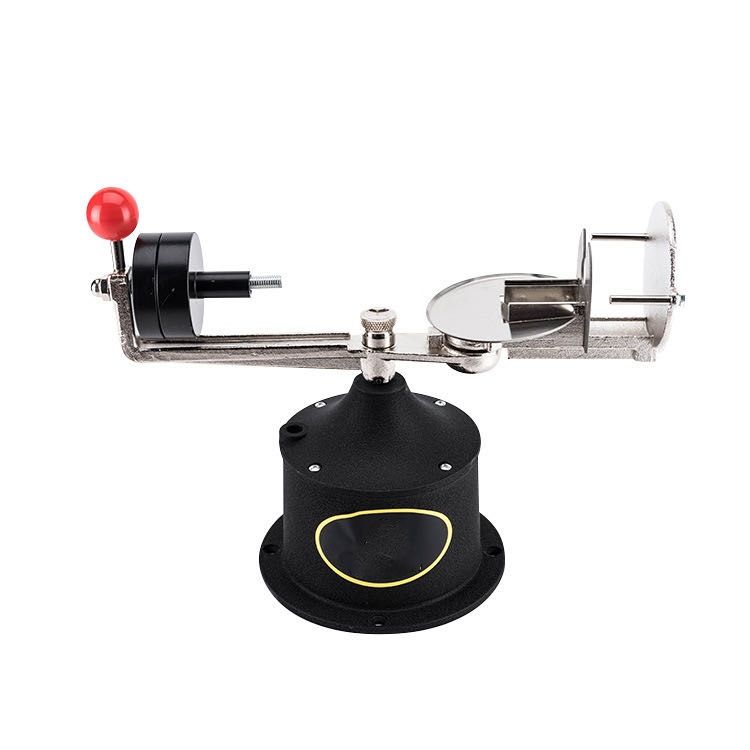
Centrifugal casting machines are a popular choice in many dental labs. They work by using centrifugal force to propel molten metal into a mold. The process begins with the metal being melted in a crucible. Once molten, the machine is activated, and the arm holding the crucible rotates rapidly. This force ensures that the metal fills the mold cavity completely and accurately.
Advantages:
- Cost – effective: These machines are relatively affordable, making them accessible for labs with budget constraints.
- Ease of use: They have a straightforward operation process, and with minimal training, technicians can start using them effectively.
- Suitability for small to medium – sized labs: They can handle a moderate workload, making them ideal for labs that produce a reasonable number of PFM prosthetics.
Disadvantages:
- Limited casting precision: The centrifugal force may not provide the same level of precision as some other methods, potentially leading to minor inaccuracies in the prosthetics.
- Metal wastage: There can be some wastage of metal due to the nature of the casting process.
Vacuum Casting Machines
Vacuum casting machines offer enhanced precision and quality. In this method, the mold and the molten metal are placed in a vacuum chamber. The vacuum removes air bubbles and impurities from the molten metal, resulting in a denser and more accurate casting.
Advantages:
- High precision: The vacuum environment ensures that the metal fills the mold cavity evenly, reducing the risk of porosity and improving the overall fit and finish of the PFM prosthetics.
- Reduced impurities: By eliminating air and contaminants, the final product has better mechanical properties and a longer lifespan.
- Suitable for complex designs: Can handle intricate PFM prosthetic designs with ease, making them a great option for labs that take on challenging cases.
Disadvantages:
- Higher cost: Vacuum casting machines are more expensive to purchase and maintain compared to centrifugal machines.
- Requires more technical knowledge: Operating these machines demands a higher level of technical expertise, which may require additional training for your staff.
Induction Casting Machines
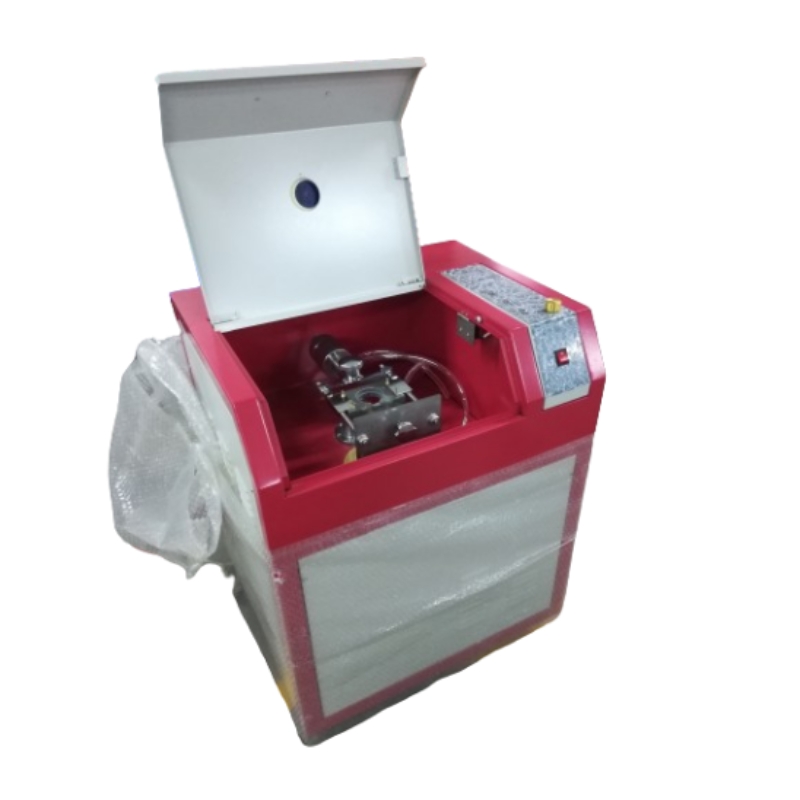
Induction casting machines use electromagnetic induction to heat and melt the metal. This method offers fast melting times and precise temperature control.
Advantages:
- Rapid melting: Can melt metal quickly, increasing the efficiency of the casting process and allowing for faster production turnaround times.
- Precise temperature control: Ensures consistent melting conditions, which is essential for achieving high – quality PFM prosthetics.
- Energy – efficient: They consume less energy compared to some other casting methods, helping to reduce operational costs in the long run.
Disadvantages:
- Initial investment: The cost of purchasing an induction casting machine can be significant, which may be a barrier for smaller labs.
- Complex maintenance: Maintenance can be more complex, and you may need to rely on specialized technicians for repairs and upkeep.
When planning to purchase a casting machine for PFM prosthetics, consider your lab’s production volume, budget, the complexity of cases you handle, and the level of expertise of your staff. Each type of casting equipment has its own unique benefits and drawbacks, and by carefully evaluating these factors, you can select the machine that best suits your dental lab’s needs.


